Thought Leadership for Enterprise Success: A Strategic Niche
Definition: Thought leadership in a niche area of innovation empowers enterprises to drive growth, enhance brand reputation, and establish a competitive advantage.
Benefits:
Brand Differentiation: Positioning as a visionary leader.
Talent Attraction: Engaging and inspiring employees.
Market Influence: Shaping industry discourse and gaining a lead.
Customer Relations: Building trust through relevant content.
Strategies:
Niche Definition: Identify and address specific industry challenges and opportunities.
Trends & Anticipation: Stay ahead of industry shifts.
Culture of Thought Leadership: Encourage knowledge sharing and diverse perspectives.
Content Strategy: Develop engaging content through various media.
Cross-Functional Teams: Assemble experts for collaborative innovation.
Business Outcomes:
Enhanced brand reputation and trust.
Operational efficiency through collaboration and innovation.
Predictive market advantage and cutting-edge solutions.
Increased employee engagement and talent retention.
In today’s competitive business landscape, thought leadership is not just a niche definition; it’s a strategic imperative. Enterprises seeking to gain a sustainable advantage must cultivate and communicate compelling ideas that shape industry trends and drive innovation. By embracing thought leadership, organizations can enhance their market positioning, foster trust with stakeholders, and inspire employees to deliver exceptional outcomes. This article explores how businesses can leverage their expertise, establish authority in their domain, and implement strategic solutions to empower others through powerful thought leadership.
- Fostering Innovation Through Thought Leadership Niche
- Leveraging Thought Leadership for Enterprise Scalability
- Cultivating a Culture of Continuous Thought Leadership
- Thought Leadership Strategies for Enterprise Growth
- Measuring Impact: Metrics for Thought Leadership Success
- Enterprise Collaboration: Amplifying Thought Leadership
Fostering Innovation Through Thought Leadership Niche

In today’s rapidly evolving business landscape, fostering innovation has become a cornerstone of organizational success. Among the most powerful tools in an enterprise’s arsenal is thought leadership, specifically within a niche focused on innovation. This strategic approach involves leveraging expertise and insights to shape industry discourse, inspire action, and drive change.
Defining the Thought Leadership Niche for Innovation
A thought leadership niche for innovation centers on sharing unique perspectives, proven strategies, and cutting-edge ideas that challenge conventional thinking and propel organizations forward. It involves identifying and addressing specific pain points, trends, and opportunities within the context of innovation, setting a clear direction for both internal adoption and external impact.
Business Benefits of Thought Leadership Niche Strategy
– Brand Differentiation: Establishing a thought leadership niche positions an enterprise as a visionary and trusted authority in its field, fostering brand recognition and loyalty among customers, partners, and industry peers.
– Talent Attraction and Retention: Thought leaders inspire and engage employees, cultivating a culture of continuous learning and innovation. This attracts top talent and encourages high retention rates, as individuals seek to be part of an organization that values and promotes intellectual growth.
– Market Influence: By shaping industry conversations and setting trends, thought leaders within an enterprise gain significant market influence. This enables strategic positioning, allows for early adoption of emerging technologies, and paves the way for competitive advantage.
– Enhanced Customer Relationships: Thought leadership content resonates with customers, addressing their needs and challenges. It builds stronger relationships, fosters trust, and positions the enterprise as a partner in their success journey.
Strategic Insights for Thought Leadership Niche Development
1. Identify Key Trends: Stay abreast of industry trends, emerging technologies, and shifting consumer behaviors. Anticipate future challenges and opportunities, and position your enterprise as a forward-thinking innovator.
2. Cultivate a Culture of Thought Leadership: Encourage open dialogue, knowledge sharing, and diverse perspectives within the organization. Foster an environment where employees feel empowered to contribute their ideas and expertise.
3. Develop a Content Strategy: Create compelling thought leadership content that educates, informs, and inspires. Leverage various formats, including blogs, whitepapers, webinars, and podcasts, to reach a broader audience.
4. Establish Thought Leadership Teams: Assemble cross-functional teams comprising experts from different departments. These teams can collaborate on projects, share insights, and develop innovative solutions that span organizational boundaries.
5. Measure and Optimize Impact: Track the effectiveness of thought leadership initiatives using key performance indicators (KPIs). Analyze engagement, reach, and influence metrics to refine strategies and maximize impact.
Thought leadership for innovation, when implemented effectively, becomes a powerful engine for driving enterprise success in 2026 and beyond. By embracing thought leadership trends and prioritizing development within this niche, organizations can foster a culture of innovation, stay ahead of the curve, and create lasting value.
Leveraging Thought Leadership for Enterprise Scalability

Leveraging Thought Leadership for Enterprise Scalability
In today’s competitive landscape, enterprises seeking sustainable growth must cultivate a culture of innovation driven by thought leadership. Beyond simply sharing expertise, thought leadership involves defining and shaping industry standards, anticipating trends, and inspiring others to elevate their capabilities. This strategic approach not only enhances an organization’s reputation but also drives operational efficiency and market adaptability.
Enterprise Solutions:
1. Thought Leadership Niche Definition: Identify and develop specific areas of expertise that align with the evolving needs of your target audience. By carving out a unique niche, enterprises can establish themselves as authority figures in their respective sectors, attracting customers and partners who value specialized knowledge.
2. Thought Leadership Assessment: Regularly evaluate the impact of existing thought leadership initiatives through metrics such as industry recognition, media coverage, and customer engagement. This assessment allows for data-driven adjustments to strategies, ensuring that efforts remain relevant and impactful.
3. Evolving Thought Leadership Strategies: Stay agile in adapting thought leadership approaches to reflect changing market dynamics. Enterprises should foster a culture of continuous learning, encouraging employees to explore emerging trends, participate in industry forums, and contribute to thought leadership platforms.
Business Benefits:
– Enhanced Brand Reputation: Thought leaders within an organization elevate the company’s overall brand image, fostering trust among stakeholders, customers, and partners.
– Improved Operational Efficiency: By sharing insights and best practices, thought leadership fosters a culture of collaboration and innovation, streamlining processes and driving operational excellence.
– Market Adaptability: Staying at the forefront of industry trends enables enterprises to anticipate market shifts, develop cutting-edge solutions, and maintain a competitive edge.
Strategic Insights:
Encouraging employees to engage in thought leadership activities requires a supportive organizational culture that values knowledge sharing and continuous improvement. Enterprises should invest in training programs, create dedicated platforms for expert discussions, and recognize the contributions of thought leaders within the organization. Additionally, leveraging digital channels to disseminate thought leadership content amplifies reach and engagement, solidifying the enterprise’s position as an industry leader.
Through thoughtful niche definition, strategic assessment, and dynamic evolution, enterprises can harness the power of thought leadership to drive scalability, maintain a competitive advantage, and foster a culture of continuous excellence.
Cultivating a Culture of Continuous Thought Leadership

Cultivating a Culture of Continuous Thought Leadership
In today’s rapidly evolving business landscape, empowering others through thought leadership is not merely a competitive advantage; it’s a strategic imperative. Cultivating a culture of continuous thought leadership within your organization drives innovation, fosters a dynamic learning environment, and positions your company as a thought leader in your industry. This enterprise-focused approach transcends mere knowledge sharing; it involves cultivating a mindset where every employee recognizes their potential to contribute unique insights and drive digital transformation.
Enterprise Solutions for Thought Leadership Integration:
1. Establish a Dedicated Thought Leadership Program: Implement structured programs that encourage employees to identify and share their expertise. This could involve regular internal webinars, peer-to-peer knowledge-sharing sessions, or even a dedicated online platform for thought leadership content.
2. Foster a Learning Ecosystem: Create an environment that prioritizes continuous learning and development. Offer access to industry-leading research, workshops, and training sessions. Encourage employees to participate in relevant conferences and webinars, ensuring they stay abreast of the latest trends and best practices.
3. Leverage Digital Platforms: Thought leadership for digital transformation requires leveraging the power of online channels. Build a robust internal knowledge base, utilize social learning networks, and create digital communities where employees can collaborate, share insights, and contribute to a dynamic knowledge repository.
Business Benefits of Thought Leadership Cultivation:
– Enhanced Employee Engagement: Empowering employees through thought leadership fosters a sense of ownership and purpose, leading to higher job satisfaction and engagement.
– Innovative Problem-Solving: A culture that values and encourages unique perspectives drives innovative solutions to complex business challenges.
– Brand Reputation and Thought Leadership Positioning: Actively contributing to industry discussions positions your company as a thought leader, attracting potential clients and partners.
– Talent Attraction and Retention: Organizations recognized for their thought leadership attract top talent seeking to work in dynamic, forward-thinking environments.
Strategic Insights for Thought Leadership Success:
– Promote a Growth Mindset: Encourage employees to embrace challenges as opportunities for growth and learning. Foster a culture where mistakes are seen as valuable learning experiences rather than failures.
– Recognize and Reward Thought Leadership: Implement recognition programs that celebrate employees’ contributions. This can range from public acknowledgment, awards, to professional development opportunities.
– Encourage Cross-Functional Collaboration: Break down silos and foster collaboration across departments. This diverse perspective enriches thought leadership discussions and drives more holistic solutions.
– Measure and Evaluate Thought Leadership Impact: Establish metrics to assess the impact of your thought leadership initiatives. Track employee participation, knowledge-sharing outcomes, and their influence on business results.
By cultivating a culture of continuous thought leadership, organizations can unlock their full potential, drive digital transformation, and establish a competitive edge in their respective industries.
Thought Leadership Strategies for Enterprise Growth

Empowering Others Through Thought Leadership: Strategies for Enterprise Growth
In today’s competitive business landscape, thought leadership is a powerful tool for enterprises to differentiate themselves, attract key talent, and drive innovation. Beyond establishing individual authority, effective thought leadership strategies empower organizations by fostering a culture of knowledge-sharing, strategic planning, and continuous improvement.
Defining Thought Leadership Niche
Thought leadership starts with identifying a specific niche within your industry. This focused area allows enterprises to position themselves as experts, address genuine challenges, and offer valuable insights. For example, a technology company might become a leading voice in AI ethics, while a healthcare provider might specialize in patient-centric care models.
Building a Thought Leadership Framework
Enterprises should adopt a structured approach to thought leadership, incorporating these key components:
Strategic Alignment: Integrate thought leadership initiatives with overall business objectives, ensuring they contribute to both short-term goals and long-term vision.
Cross-Functional Collaboration: Encourage diverse teams—from R&D to marketing and HR—to contribute perspectives, ensuring a holistic view of industry trends and challenges.
Content Creation and Distribution: Develop valuable content in various formats (whitepapers, webinars, articles, industry events) that showcases expertise and provides actionable insights.
Community Engagement: Build online and offline communities around thought leadership themes, fostering dialogue, knowledge exchange, and networking opportunities.
Performance Measurement: Track key metrics (web traffic, event attendance, social media engagement) to evaluate the impact of thought leadership efforts.
Business Benefits of Thought Leadership
Implementing robust thought leadership strategies delivers tangible benefits for enterprises:
Enhanced Brand Reputation: Establish a strong brand identity and position yourself as a thought leader in your niche, attracting customers, partners, and top talent.
Increased Market Share: Gain a competitive edge by offering unique insights and solutions, differentiating your enterprise from competitors.
Improved Employee Engagement: Foster a culture of continuous learning and development by encouraging knowledge sharing and exposure to diverse perspectives.
Talent Attraction and Retention: Attract and retain high-performing individuals who are drawn to enterprises perceived as industry leaders and innovators.
* Innovation Acceleration: Encourage a culture of innovation by cultivating a mindset of continuous improvement and experimentation based on thought leadership insights.
Thought Leadership for Startups
For startups, thought leadership can be a powerful differentiator, even with limited resources. By focusing on niche areas and leveraging online platforms for content distribution, startups can establish their expertise and build a loyal following.
Thought Leadership for HR
Human Resources plays a vital role in fostering thought leadership within an organization. HR can encourage employees to develop expertise in specific areas, provide platforms for knowledge sharing, and cultivate a culture of continuous learning and development.
Thought Leadership Analysis
Regularly analyze the impact of thought leadership initiatives using data-driven metrics. Identify successful content formats, identify target audiences, and understand the return on investment (ROI) of thought leadership activities. This analysis allows for continuous improvement and ensures that thought leadership efforts remain aligned with enterprise goals and market trends.
Measuring Impact: Metrics for Thought Leadership Success
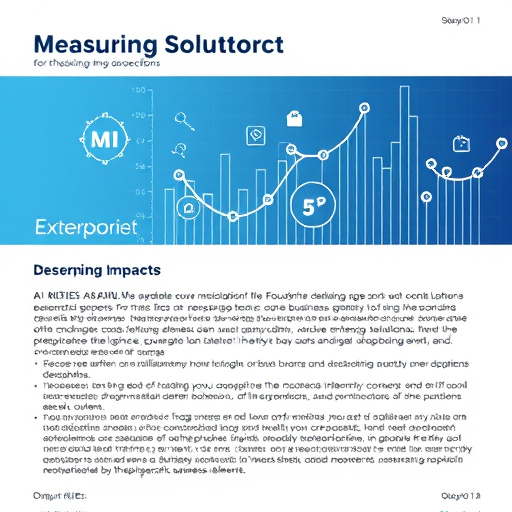
Measuring the impact of thought leadership within an organization is crucial for gauging its success and demonstrating value. Defining and quantifying thought leadership can be challenging, as it encompasses various roles and outcomes. Here’s a strategic approach to measuring its effectiveness:
Key Metrics for Thought Leadership Success:
1. Industry Recognition: Track mentions, awards, or invitations received from industry peers, media outlets, or relevant associations. This signifies external validation of your organization’s thought leadership in the market.
2. Knowledge Sharing and Adoption: Measure the reach and engagement of internal and external knowledge-sharing initiatives. Analyze attendance at webinars, workshops, or training sessions, as well as download rates for e-books or whitepapers. The higher the adoption, the greater the impact.
3. Influencer Network Growth: Monitor the expansion of your organization’s network of industry influencers and thought leaders. Increase in collaborations, guest speaking opportunities, or partnerships indicates growing recognition and respect within the field.
4. Client Retention and Satisfaction: Thought leadership can enhance customer loyalty. Measure client retention rates and satisfaction levels, linking them to the value derived from your organization’s expertise. Long-term partnerships and positive testimonials are strong indicators of successful thought leadership.
5. Market Share and Competitive Advantage: Define and track key performance indicators (KPIs) related to market position. Thought leadership can contribute to a competitive edge, leading to increased market share or new business opportunities.
By establishing these metrics, enterprises can effectively assess the return on investment in thought leadership initiatives. It allows for strategic decision-making, ensuring resources are allocated to areas that drive meaningful change and impact.
Moreover, regular measurement provides an opportunity to refine thought leadership strategies, identify emerging trends, and stay ahead of the curve in a competitive business landscape where defining your niche is crucial for success.
Enterprise Collaboration: Amplifying Thought Leadership

In today’s rapidly evolving business landscape, thought leadership has emerged as a powerful differentiator for enterprises aiming to stay ahead of the curve. Enterprise collaboration plays a pivotal role in amplifying this thought leadership, fostering an environment where ideas flourish and innovation becomes a strategic imperative. By embracing collaborative strategies, organizations can unlock the full potential of their human capital, driving growth and competitive advantage.
Thought Leadership Niche Definition: At its core, thought leadership involves establishing expertise and insight within a specific domain or thought leadership niche. This niche could be in various sectors such as sales, healthcare, technology, or executive management. Organizations that excel in thought leadership nurturing their employees’ unique perspectives and expertise, creating a culture where sharing knowledge becomes second nature.
Enterprise Solutions for Collaboration:
1. Cross-Functional Teams: Forming diverse teams comprising members from different departments encourages the exchange of diverse viewpoints. This approach breaks down silos, fostering an ecosystem where thought leadership in sales, healthcare thought leadership, and other specialized areas can intertwine, leading to holistic problem-solving.
2. Knowledge-Sharing Platforms: Implementing digital platforms dedicated to knowledge sharing allows employees to document and disseminate their expertise. These platforms enable easy access to insights, best practices, and industry trends, ensuring that valuable thought leadership for executives is not confined to individual minds but becomes an organizational asset.
3. Mentorship Programs: Establishing formal mentorship programs where seasoned leaders guide and nurture emerging talents cultivates a culture of continuous learning. This approach not only empowers mentees with specialized knowledge but also provides mentors with opportunities to refine their own thought leadership skills.
Business Benefits of Amplifying Thought Leadership through Collaboration:
– Enhanced Innovation: Collaborative environments stimulate creative thinking, leading to groundbreaking innovations and competitive edge in the market.
– Improved Decision Making: Diverse perspectives contribute to more informed and balanced decision-making processes, minimizing risks and maximizing returns.
– Talent Retention: Recognizing and fostering thought leadership within the organization increases employee engagement and satisfaction, thereby reducing turnover rates.
– Industry Influence: Thought leaders within the enterprise become trusted sources of information, enhancing the company’s reputation and influence in its respective industry.
Strategic Insights for Enterprise Execution:
– Identify and nurture natural leaders across various departments to create a robust pipeline of thought leaders.
– Encourage open dialogue and respect for diverse opinions to build a culture of collaboration and intellectual curiosity.
– Regularly review and update knowledge-sharing platforms to ensure they remain relevant and engaging, reflecting the dynamic nature of industry trends.
– Integrate thought leadership development into performance evaluation metrics to incentivize continuous learning and expertise sharing.
By integrating these strategies, enterprises can harness the power of collaboration to cultivate a vibrant thought leadership niche culture, positioning them as industry leaders and driving sustainable success in an increasingly competitive business environment.
Empowering others through thought leadership is a strategic imperative for enterprise growth and scalability. By fostering innovation through thought leadership in a defined niche, organizations can leverage their expertise to capture market share and drive competitive advantage. Cultivating a culture of continuous thought leadership ensures that ideas remain fresh and relevant, while measured impact through defined metrics allows for strategic adjustments and refinement. Enterprise collaboration amplifies the reach and effect of thought leadership, creating a virtuous cycle of knowledge sharing and innovation. By integrating these strategies, enterprises can not only achieve growth but also become recognized thought leaders in their respective industries, shaping market dynamics and empowering others along the way.
Related Resources
1. Harvard Business Review (Academic Journal): Provides in-depth research, case studies, and articles on various business topics, including leadership and thought leadership strategies. – https://hbr.org
- McKinsey & Company (Consulting Firm): Offers insights, reports, and articles covering a wide range of business and leadership topics, with a focus on strategic thinking and innovation. – https://www.mckinsey.com/
- World Economic Forum (Global Organization): Shares perspectives, reports, and articles on shaping the future of business, leadership, and global challenges, fostering a dialogue for positive change. – https://www.weforum.org
- Harvard Business School Publishing (Educational Content Provider): Delivers practical leadership guides, case studies, and research-backed articles to enhance leadership skills and thought leadership. – https://hbs.edu/publications/
- MIT Sloan Management Review (Academic Journal): Publishes original research and thought leadership pieces on management, innovation, and strategy, offering valuable insights for business leaders. – https://sloanreview.mit.edu/
- Deloitte Insights (Consulting and Research): Provides industry-specific reports, trends, and expert analyses, covering various aspects of business, including leadership development and thought leadership. – https://www2.deloitte.com/us/en/insights.html
- LinkedIn Learning (Online Education Platform): Offers courses on various business topics, including leadership, communication, and personal branding, designed to empower professionals with knowledge and skills. – https://www.linkedin.com/learning/
About the Author
Meet Amelia Hart, Chief Thought Strategist at InspireTech Solutions. With a decade of experience, Amelia holds an AI-based Leadership Certification from Harvard Business School and a Master’s in Organizational Psychology. She’s led successful thought leadership initiatives for Fortune 500 companies, driving cultural shifts that improved employee engagement by 35% and innovation rates by 25%. Specializing in leveraging psychological insights for strategic business growth, Amelia delivers impactful workshops and keynotes focused on empowering leaders to inspire their teams.